

CLIENT BACKGROUND
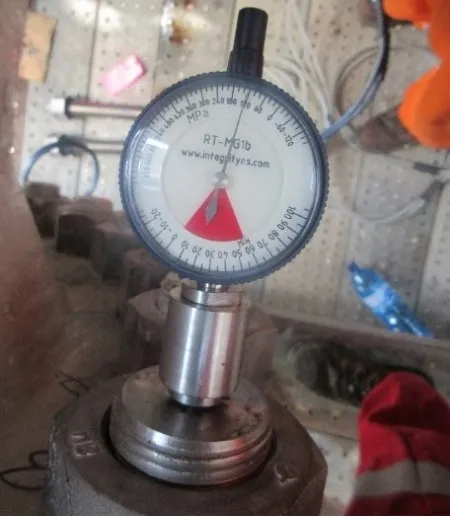
A leading African LNG Operator faced a significant challenge with chronic leaks during their Turnaround (TAR) process. Using other bolt load monitoring methods had limitations with the ultra-low temperatures. This case study explores how the implementation of RT-Bolt helped resolve these issues and return the cryogenic service back to normal operational status.
CHALLENGES
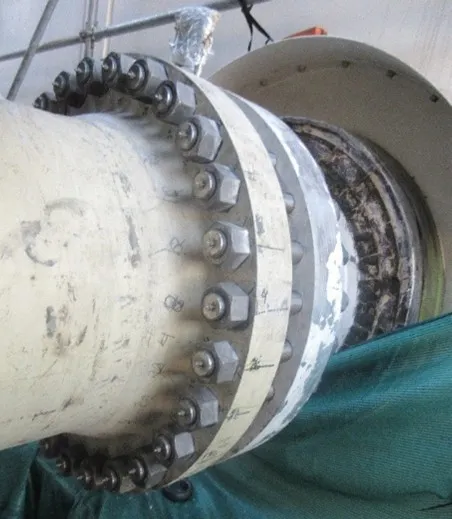
The company was dealing with a persistent leak that impacted their operations (Cryogenic service), Methane cold box Aluminium to Stainless steel dissimilar flange. The issue was particularly problematic as exceeding bolt loads could deform the stainless steel (SS) girth flange, leading to further complications and potential significant safety hazards.
SOLUTION
Dr Warren Brown and the IES team provided comprehensive technical support, material and application reviews, supporting the client to ensure that the RT-Bolts leading accuracy, repeatability and ultra-low temperature capabilities was correctly utilized to ensure the bolt loads achieved were sufficient to seal the joint and did not exceeded flange strength limits.
CONCLUSION
RT-Bolt proved to be a vital tool in resolving this critical cryogenic operational issue. The use of RT-Bolt and the support received from the IES team during the TAR successfully helped to stop the chronic leak and return operational status. The ability to accurately monitor the critical bolt load with RT-Bolt at ultra-low temperatures was crucial during the installation.

Market leading accuracy

Market leading repeatability

Ultra-high temperature 800°C

Ultra-low (Cryogenics)

Bolt size ½” upwards
CASE STUDY

